What Happens to Your Email After You Register Online and How to Protect Your Privacy
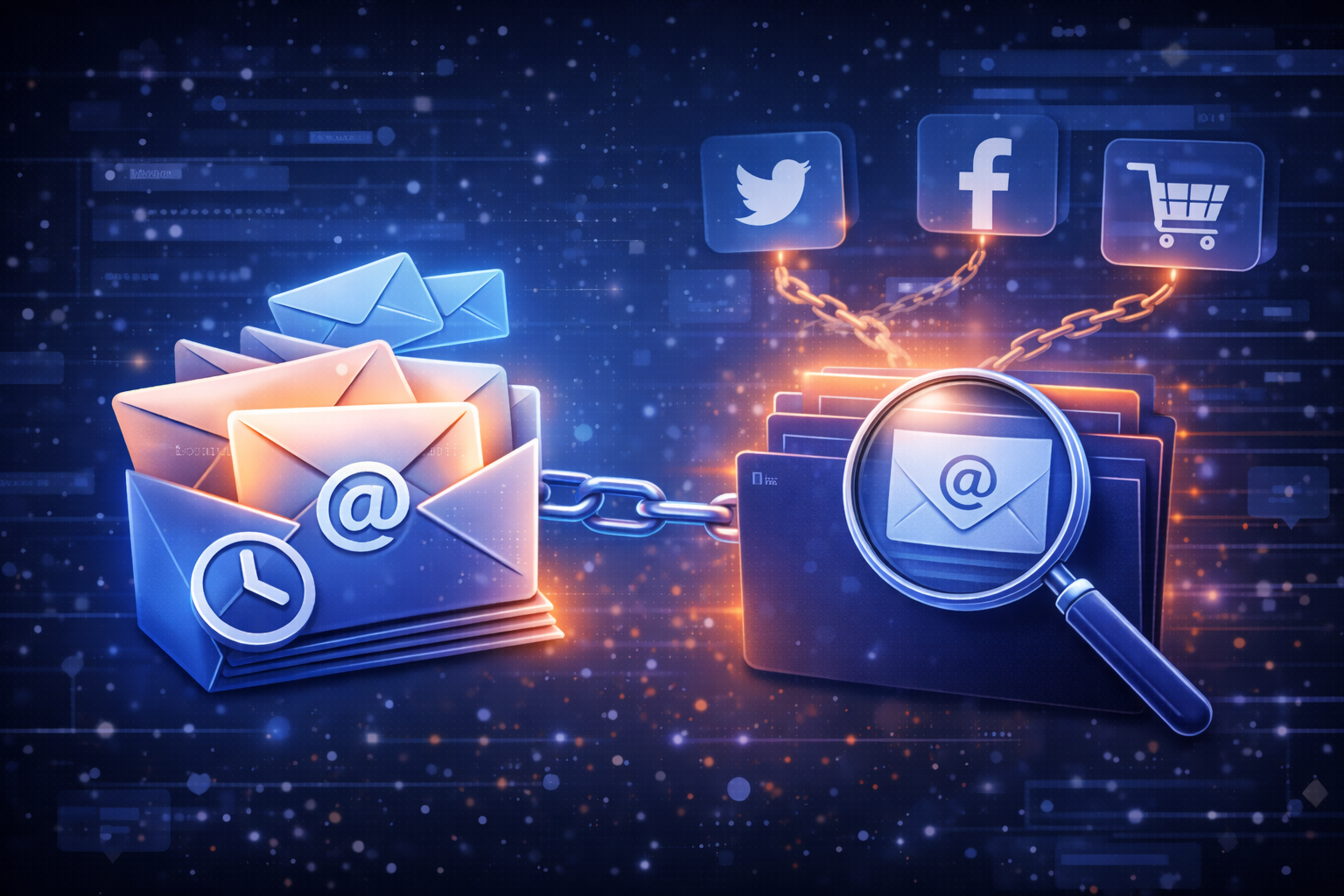
When you register for a new website, application, or online service, your primary goal is naturally to access the content or functionality you're interested in. However, the simple act of entering your email address into a registration form initiates a process that, in many cases, goes far beyond what you might imagine. Companies use your email not just for access, but also for marketing, data analysis, and sometimes even sharing it with third parties. This can have significant implications for your privacy and the security of your inbox.
The Journey of Your Email: Beyond the Signup Form
Your email address is one of the most valuable pieces of personal information in the digital world. It serves as your identifier, your access key, and for businesses, a direct gateway to you. Once you provide your email, its journey has only just begun, and it's not always in the most transparent way.
Many people accept privacy policies and terms of service without reading them thoroughly, which is understandable given their length and complexity. However, it's in these documents that companies detail how they plan to use your information. The reality is that your email rarely remains just your username.
Common Ways Companies Use Your Email Address
After you register, your email address can be used for a variety of purposes, some expected and others less so:
- Sending Newsletters and Promotions: This is the most obvious use. Companies want to keep you informed about their products, services, offers, and news.
- Automated Marketing Campaigns: Based on your behavior on their site (e.g., viewed items, abandoned carts), they may send you personalized emails to encourage a purchase or interaction.
- User Segmentation: Your email, along with other data, is used to classify you into specific groups. This allows companies to send more relevant messages to targeted audiences.
- Sharing with Business Partners: Some companies have agreements with third parties (other businesses, advertisers) and may share your email address so they can send you their own promotions. This is typically stipulated in their privacy policies.
- Inclusion in Advertising Databases: Your email may be added to databases used to show you personalized ads on other platforms, such as social media or websites.
- Service Analysis and Improvement: Companies may use your email to send surveys, request feedback, or inform you about service changes.
These uses, while often legal and described in the fine print, can lead to an overloaded inbox and a feeling of losing control over your personal information.
The Risks of Using a Single Email Address Everywhere
The convenience of using a single email address for all your registrations is undeniable. However, this practice carries significant risks that can impact your digital privacy and security.
Accumulation of Spam and Unwanted Messages
The most immediate and annoying risk is the deluge of spam. Once your email is on a marketing list, it can be difficult to get off. Even if you unsubscribe, your address may have been shared with third parties or sold, meaning the flow of unwanted emails can continue.
Increased Exposure in Data Breaches
Every time you register for a service, your email is stored in a database. If that company suffers a data breach, your email address, often along with your username and password (or its hash), becomes exposed. If you use the same email and password across multiple sites, a single breach can compromise several of your accounts.
Rise of Phishing and Fraudulent Emails
Spammers and scammers often obtain email lists from breaches or purchased databases. With your address, they can send you phishing emails that mimic legitimate companies to try and steal your credentials or financial information. The more platforms that have your email, the higher the probability you'll be targeted by these attacks.
Difficulty Pinpointing the Source of Spam
When your inbox is flooded with spam, it's nearly impossible to know which company initially shared or exposed your address. This makes it challenging to take action to stop the flow or hold the source accountable.
Loss of Privacy and Detailed Digital Profiling
Every registration contributes to a more complete digital profile about you. Companies can cross-reference data from different sources to create a detailed picture of your interests, purchasing habits, and online behavior. This information can be used for targeted advertising or even to influence your decisions.
Once your email begins to circulate across various databases, stopping its spread and completely removing it from all of them becomes an extremely difficult, if not impossible, task.
How to Reduce Your Email Exposure and Protect Your Privacy
The good news is that you have tools and strategies to regain control of your digital privacy and protect your inbox. The key lies in being more conscious and strategic with how you share your email address.
Smart Email Management Strategies
One of the most effective ways to reduce your exposure is to separate the use of your email addresses:
- Personal (Primary) Email: Use this exclusively for critical and high-trust services, such as your bank, medical services, government communications, password recovery accounts, and important personal contacts. This email should be the most protected and least exposed.
- Secondary Emails: You can have one or more emails for registrations on shopping sites, forums, trusted newsletters, or services you don't consider critical but use regularly. This helps contain spam and potential breaches to a single place, away from your primary email.
- Temporary or Disposable Emails: This is where tools like MailTemp.co shine. A temporary email is an address you can use for one-off registrations, service trials, resource downloads, or to access content you know you'll only need once or for a short period.
The Benefits of Using a Temporary Email Service like MailTemp.co
A temporary email service offers you an additional layer of privacy and control:
- Reduces Spam: By using a temporary email for non-essential registrations, your primary inbox stays clean of unwanted emails.
- Limits Exposure: If a website suffers a data breach, only the temporary address is compromised, keeping your primary email secure.
- Helps Identify Leaks: If you use a unique temporary address for each registration, and that address starts receiving spam, you'll know exactly which service exposed it.
- Total Control: With MailTemp.co, you can get an instant guest inbox for immediate use, or register an account to save addresses, unify inboxes, and enjoy storage, depending on your active plan and quota. This gives you flexibility and control over the retention of your addresses, which is not universally limited to minutes or hours.
It's important to remember that while temporary email reduces unnecessary exposure, it does not guarantee anonymity, security, identity protection, or zero risk. It is a privacy management tool, not a total security solution.
When to Use and When Not to Use a Temporary Email
Use a temporary email for:
- Registrations for forums or online communities you don't plan to use long-term.
- Software or service trials that require an email.
- Downloading ebooks, guides, or resources that ask for an email.
- Subscribing to newsletters you're unsure about.
- Commenting on blogs or websites.
- Accessing public Wi-Fi that requires registration.
Do not use a temporary email for:
- Banking or financial accounts.
- Health or insurance services.
- Main social media accounts.
- Any service that requires long-term verification or password recovery.
- Never replace your permanent recovery email address for important services.
Taking Control of Your Digital Footprint
In today's digital age, privacy is a precious commodity. Understanding how your email is used after registration is the first step toward protecting yourself. By adopting a more conscious email management strategy, using separate addresses, and leveraging tools like MailTemp.co for less critical registrations, you can significantly reduce your exposure to spam, data breaches, and phishing risks.
Not all companies manage your data in the same way, and not all do it poorly. However, by taking proactive steps, you empower yourself to decide when and where it's worth sharing your real email and when it's better to keep it private. Your inbox and your peace of mind will thank you.
Comments: