How Temporary Email Helps Reduce Your Digital Identity Exposure Online
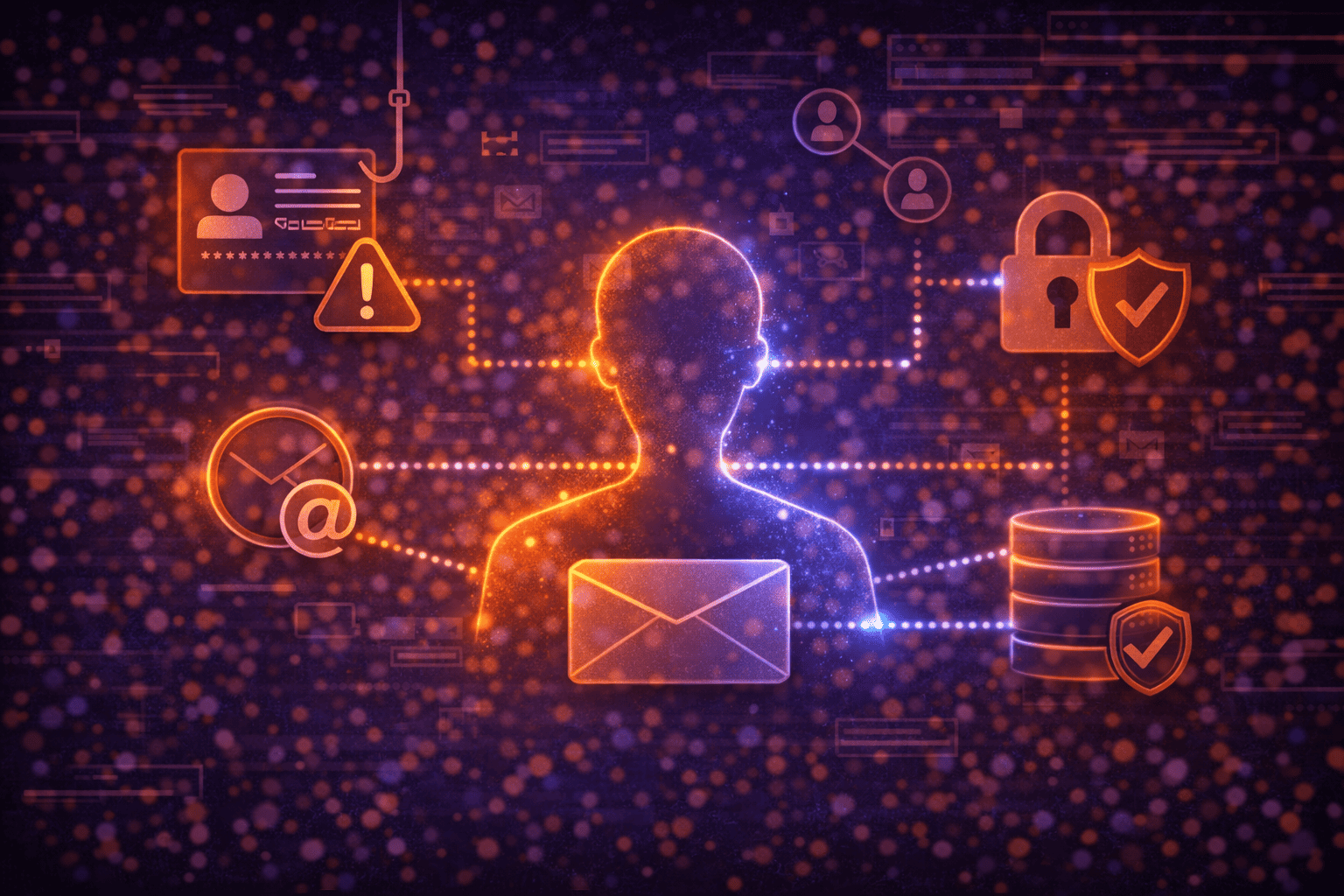
Protecting your digital identity online means consciously managing the information you share, especially your email address. One of the most effective strategies is to diversify your email usage, employing temporary email services like MailTemp.co for non-essential registrations to minimize your exposure to risks such as spam, phishing, and data breaches.
What is Your Digital Identity and Why Protect It?
Your digital identity is the sum of all information about you that exists online. It's built with every action you take on the internet: signing up for websites, commenting on social media, making online purchases, downloading content, and creating every account. It is, in essence, your reflection in the digital world, and as such, it deserves to be protected with the same vigilance as your physical identity.
In an increasingly connected world, the health of your digital identity directly impacts your personal and professional reputation, your financial security, and most importantly, your privacy. A compromised digital identity can open the door to problems ranging from online harassment to identity theft and significant financial losses.
Email: Your Central Identifier and Primary Vulnerability
Within your digital identity, your email address holds a central position. It's more than just a communication tool; it's your primary identifier across the vast majority of online services and platforms. It acts as the master key that grants you access to your accounts, and for this reason, it is also one of the most exposed and vulnerable pieces of information.
The Ubiquity of Your Email Online
Your email address is linked to almost everything you do online:
- Personal Accounts: From your social media profiles to streaming services and online banking.
- Account Recovery: It's the primary method for resetting passwords if you forget your credentials.
- Registration History: Every time you subscribe to a newsletter, download a resource, or sign up for a forum, your email is recorded.
- Online Activity: It allows companies and advertisers to track your habits and preferences to offer personalized content.
The more sites that have your email, the easier it is for third parties, legitimate or malicious, to connect your activity and build a detailed profile of you.
Risks of Excessive Email Exposure
Poor management or excessive exposure of your email address can lead to a range of serious issues:
- Constant Spam: Your inbox becomes flooded with unwanted emails, making it difficult to manage important communications.
- Targeted Phishing: By knowing your interests or the services you use, attackers can craft highly convincing phishing emails to try and steal your credentials or sensitive information.
- Identity Impersonation: If your email is compromised, an attacker could use it to access other accounts or even impersonate you.
- Exposure in Data Breaches: When a company suffers a security breach, your email (along with other data) can be exposed and sold on the dark web, increasing the risk of future attacks.
Effective Strategies to Protect Your Email and Digital Identity
Reducing your digital identity exposure isn't about a single action, but about adopting a set of good practices. Here are the most important ones:
Smart Email Address Management
One of the simplest and most effective ways to protect your email is not to use the same address for everything. Consider having:
- A Primary Email: Reserved for personal communications and essential accounts like banking, government services, or critical utilities.
- Secondary Emails: For registrations on online stores, forums, less important newsletters, or services you know will generate a lot of marketing.
Strong Passwords and Two-Factor Authentication (2FA)
While not the primary focus of this article, it's crucial to remember that a strong, unique password for each account, combined with two-factor authentication (2FA) whenever possible, is your first line of defense against unauthorized access to your accounts.
The Power of Temporary Email for Online Privacy
This is where temporary email services, like MailTemp.co, become an invaluable tool. A temporary email allows you to obtain a disposable email address that you can use for one-off registrations or situations where you don't want to reveal your primary address.
MailTemp.co offers a flexible solution for this. You can get an instant guest inbox without needing to register, perfect for quick, disposable use. If you require more control and persistence, you can opt for registered accounts that allow you to save addresses, unify inboxes, and access storage, all tailored to your active plan and quota. Retention is not universally limited to minutes or hours, providing flexibility for various needs.
The benefits of using a temporary email are clear:
- Drastic Reduction in Spam: You prevent your main inbox from being flooded with unwanted emails.
- Protection Against Unwanted Marketing: You can sign up for offers or trials without compromising your long-term privacy.
- Testing Services and Websites: Ideal for trying out a new platform or downloading a file without giving away your real data.
- One-Time Registrations: Useful for accessing public Wi-Fi, forums, or events that require an email for registration.
It's important to understand that while temporary email reduces unnecessary exposure, it does not guarantee total anonymity, absolute security, complete identity protection, or zero risk. Nor should it be considered a replacement for a permanent recovery email address for your most important accounts, such as your bank or your primary email.
When to Use a Temporary Email
- To register for non-essential forums or online communities.
- When testing services or applications that require registration.
- To download content (e-books, templates) from websites that request an email.
- To access public Wi-Fi networks that ask for an email address.
- When participating in online giveaways or promotions.
When NOT to Use a Temporary Email
- For banking accounts, financial services, or any platform that handles money.
- For government or health services.
- For your primary email address or password recovery accounts.
- For your main social media profiles.
- For any service that requires long-term access or contains critical personal information.
Beyond Email: Additional Tips for Your Digital Privacy
While email is fundamental, reducing your digital identity exposure goes further:
- Review Your Privacy Settings: Take time to adjust privacy settings on your social media, apps, and online services. Limit who can see your information.
- Be Cautious with Public Wi-Fi: Avoid conducting sensitive transactions or accessing confidential information when connected to unsecured public Wi-Fi networks. Consider using a VPN.
- Think Before You Post: Once something is on the internet, it's very difficult to remove it completely. Be mindful of the personal information you share and its long-term implications.
- Monitor Your Accounts and Security Alerts: Stay alert for any suspicious activity in your accounts and use services that notify you if your information has been compromised in a data breach.
Reducing your digital identity exposure is an ongoing process that requires awareness and proactivity. By adopting these practices, especially smart email management with tools like MailTemp.co, you take control of your online presence and significantly reduce the risks associated with digital life.
Comments: