How Temporary Emails Shield Your Primary Inbox from Data Breaches
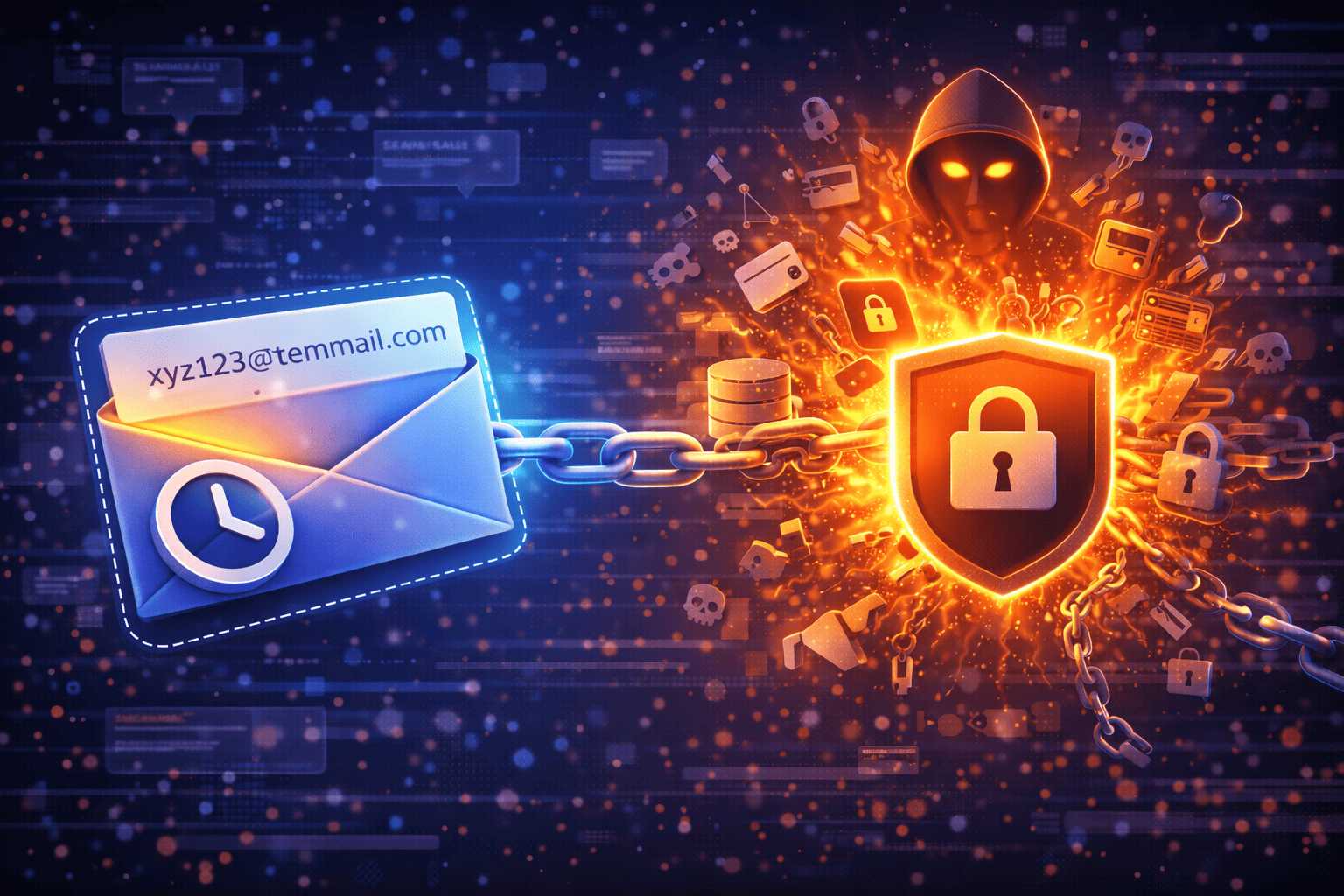
To directly protect your primary email from the pervasive threat of data breaches, spam, and phishing, using temporary email addresses is an incredibly effective strategy. These disposable inboxes act as a buffer, allowing you to sign up for online services, newsletters, or trials without exposing your valuable personal email. By doing so, you significantly reduce your digital footprint and contain potential risks, keeping your main inbox secure and free from unwanted intrusions.
Your Primary Email: A Valuable Digital Asset
Your email address is far more than just a communication channel; it has become the master key to your digital life. It's intrinsically linked to a vast network of personal and professional information, acting as the primary identifier for:
- Personal and professional accounts: From social media and e-commerce platforms to banking services and work tools.
- Password recovery: It's the most common method to regain access to your accounts if you forget a password, making it a critical point of vulnerability.
- Digital identity: Often, your email is the pillar upon which your online presence is built and verified.
- Registration and activity history: Every subscription, every purchase, every online interaction leaves a trail linked to your address.
The more services and platforms that have access to your primary email, the larger your attack surface and, consequently, the greater the risk should one of those services suffer a data breach. When this happens, your address can fall into the wrong hands, opening the door to a series of problems.
What Are Data Breaches and How Do They Affect You?
A data breach occurs when sensitive or confidential information is accessed, disclosed, or stolen by unauthorized individuals. In the context of your email, this means your address, often along with other personal data like names, phone numbers, or even encrypted passwords, is exposed from the database of a website or service you registered with.
The consequences of a data breach can be significant and varied:
- Increased spam: Your inbox can be flooded with unwanted emails and aggressive advertising.
- Phishing attacks: Criminals can use your address to send fraudulent emails attempting to trick you into revealing more personal information or login credentials.
- Identity theft attempts: With your email and other data, attackers could try to access your accounts or even open new ones in your name.
- Reputation damage: Though less common, in certain contexts, the exposure of your email could have professional or personal implications.
What's concerning is that, in many cases, these breaches are not your fault but the result of security flaws or cyberattacks on the services you trusted with your information. This is where temporary emails offer a practical solution to reduce exposure.
Temporary Emails: A Layer of Defense Against Unnecessary Exposure
A temporary email, also known as a disposable email, is an email address you can use to sign up for online services without having to reveal your primary address. Its main advantage lies in its ability to drastically reduce your digital exposure.
How Do Temporary Emails Reduce Risk?
The mechanics behind a temporary email are simple yet effective:
- Risk isolation: By using a different address for each less critical service, if one of them suffers a breach, the potential damage is contained. Your primary email remains less exposed.
- Less linked to your real identity: Many temporary email services do not require registration or personal data to generate an address, adding a layer of privacy by reducing the direct connection to your primary identity.
- Adaptable lifespan: While the idea is that these addresses are used for specific purposes and not for long-term communications, retention is not universally limited to minutes or hours. MailTemp.co, for example, offers instant guest inboxes and registered accounts with saved addresses and variable retention depending on the plan, giving you flexibility to manage your needs.
- Not reused across multiple services: The ideal practice is to use a unique temporary address for each registration, avoiding the interconnection of your data through the same email.
- Protection of your primary email: Your personal or work inbox remains freer from spam and the risks associated with mass exposure.
When to Use a Temporary Email: Practical Scenarios
The key to getting the most out of temporary emails is knowing when and where to use them. They are ideal for situations where you need an email address but don't want to commit your primary account long-term:
- One-off registrations: To access exclusive content, download an ebook, or read an article that requires an email.
- Testing services or applications: When you want to try a new platform or software without leaving your real data.
- Newsletter subscriptions: If you're interested in specific content but don't want to receive constant advertising in your main inbox.
- Participating in lesser-known forums or communities: To interact on sites where you're unsure about their privacy policy or security.
- Commenting on blogs or websites: If you want to leave a comment without revealing your primary identity.
- Single online purchases: For stores where you don't plan to be a recurring customer and only need an email for order confirmation.
At MailTemp.co, we understand that the need for a temporary email can vary. We offer an instant guest inbox for those quick, one-off uses. Additionally, for those who require more control and persistence, our registered accounts allow you to save addresses, unify inboxes, and provide storage, adapting to your privacy and management needs.
Limitations and Important Considerations
While temporary emails are a powerful tool for enhancing your privacy, it's crucial to understand their limits:
- Do not guarantee absolute anonymity: Although they reduce the direct exposure of your email, they don't make you completely anonymous online. Other data, like your IP address, can still be tracked.
- Do not offer total security: A temporary email reduces the risk of your primary email being compromised, but it doesn't inherently protect the content of messages you receive in the temporary inbox from potential interception if the service itself isn't secure.
- Do not replace a recovery address: You should never use a temporary email as a recovery address for important accounts (banking, primary email, critical social media). For these, always use a permanent, secure address that you can control long-term.
- Reduce risk, don't eliminate it: Data protection is an ongoing effort. Temporary emails are a valuable layer of defense, but they don't completely eliminate all risks inherent in using the internet.
Best Practices for Email Privacy
To maximize the protection of your email, consider these additional practices:
- Use strong, unique passwords: For each of your important accounts.
- Enable two-factor authentication (2FA): Whenever possible, add this extra layer of security.
- Be selective: Think twice before providing your primary email to any service, especially if it's not essential or trustworthy.
- Review privacy policies: Before signing up for a new site, take a moment to understand how they will use your data.
- Keep your software updated: Your operating system, browser, and antivirus should all be up to date to protect you from known vulnerabilities.
At MailTemp.co, our goal is to provide you with the tools to take greater control of your digital privacy. Whether you need a disposable address for a few minutes or a manageable inbox for more frequent uses, we offer flexible solutions to reduce your digital footprint.
Conclusion
Data breaches are an unavoidable reality in today's digital landscape. While you cannot control the security of all websites and services, you can control what personal information you share and how you share it. Temporary emails are a simple yet incredibly effective tool to reduce your exposure, help protect your primary email from spam and phishing, and mitigate the impact of potential security breaches. By intelligently integrating them into your online habits, you take a significant step towards greater digital privacy and peace of mind.
Comments: