How to Reduce Spam Without Changing Your Main Email
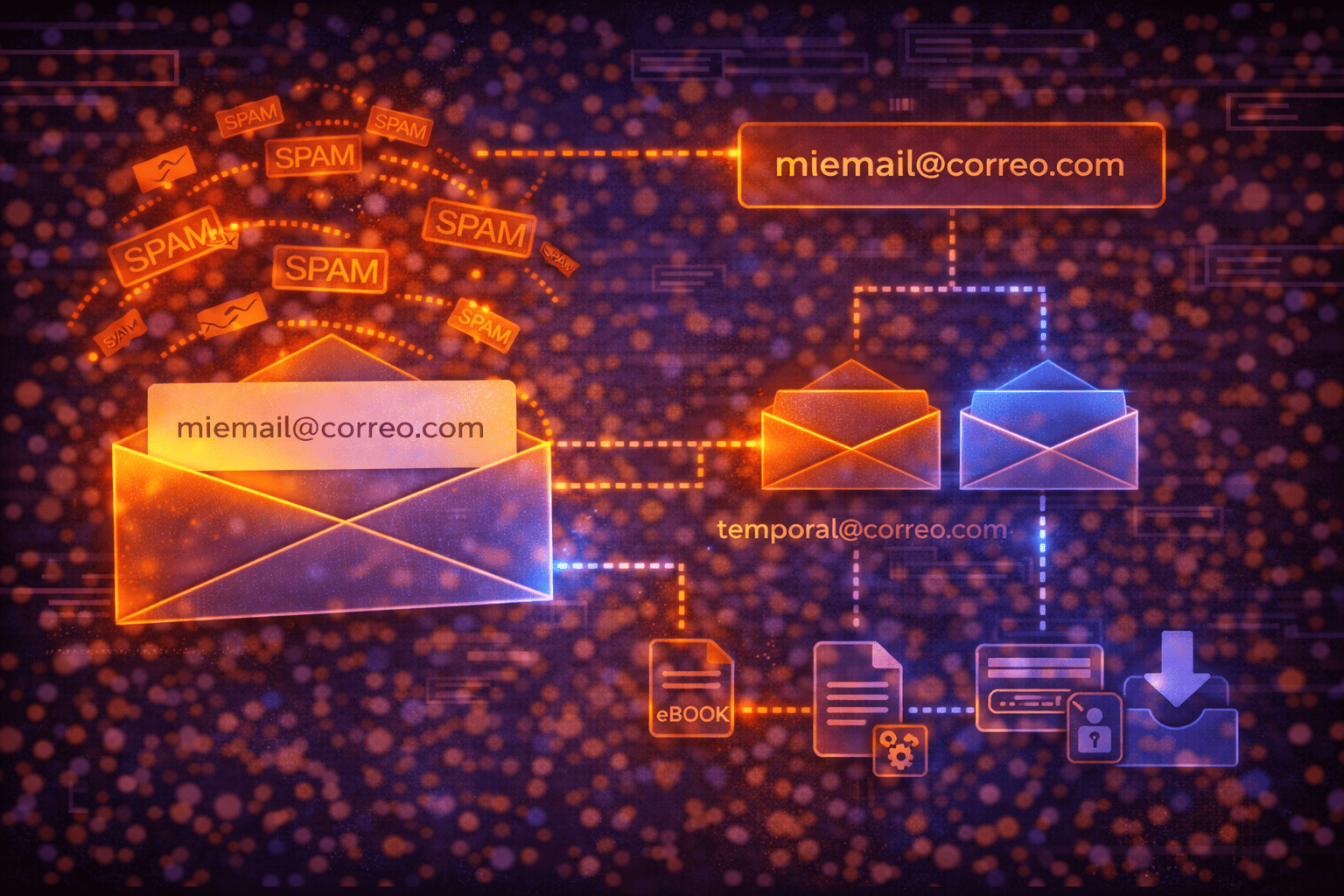
To effectively reduce spam without changing your primary email, the most effective strategy is to segment your email usage. This means reserving your main email for essential, trusted communications, using secondary addresses for less critical registrations, and employing temporary emails for one-off or low-risk interactions.
In today's digital age, our email has become an indispensable tool for almost all online interactions. From banking and shopping to social media and entertainment, everything seems to require an email address. However, this omnipresence comes with a significant downside: the deluge of spam and unwanted messages that floods our inboxes, turning them into chaos and, at times, a source of concern. The idea of changing your primary email to escape this problem might seem like a drastic solution, but it's often impractical and creates more inconvenience than benefits. Fortunately, there are proven methods to regain control of your inbox without abandoning the address you've used for years.
Why Your Inbox Gets Flooded with Spam
Spam isn't a random phenomenon; it's a direct result of how and where we share our contact information. Understanding the causes is the first step to combating it effectively:
- Excessive Exposure: Using the same email address for every registration, subscription, or online download exponentially increases the chances of it falling into the wrong hands or being added to unwanted marketing lists.
- Unreliable Websites: When you sign up on websites with dubious reputations or lax privacy policies, your email address might be sold to third parties or used for unauthorized purposes.
- Data Breaches: Unfortunately, many company databases are vulnerable to cyberattacks. If your email is part of a breach, it can be exposed to spammers and cybercriminals, even if you haven't shared it directly.
- Unwanted Subscriptions: Sometimes, by accepting a service's terms and conditions without reading the fine print, you might inadvertently give permission to receive newsletters or promotions that don't interest you.
- Trackers and Bots: Automated programs constantly crawl the web, searching for email addresses published in forums, comments, or contact pages, to add them to spam lists.
Over time, these situations accumulate, transforming a manageable inbox into a whirlwind of unwanted emails, irrelevant promotions, and, more worryingly, potential phishing attempts.
The Key Strategy: Segmenting Your Email Usage
The most powerful solution for reducing spam without changing your primary address lies in intelligent and strategic email management. This means not putting all your eggs in one basket, but assigning specific purposes to different addresses.
Your Primary Email: The Personal and Professional Sanctuary
Your primary email address should be treated as a sacred space, reserved exclusively for the most important and sensitive communications. Think of it as your residential mailing address: you don't share it with just anyone.
- When to use it: Banks, government institutions, healthcare services, work or academic communications, close family and friends, and any critical service requiring identity verification or account recovery.
- How to protect it: Be extremely selective when sharing it. Avoid using it for occasional shopping site registrations, newsletters, or public forums. Ensure it has a strong, unique password, and enable two-factor authentication whenever possible.
Keeping your primary email's exposure minimal not only drastically reduces spam but also lowers the risk of it being compromised in a phishing attack or used for identity impersonation.
Secondary Emails: For Less Sensitive Interactions
For situations where you need an email address but don't want to expose your primary one, a secondary email is the ideal solution. You can have one or several, depending on your needs.
- When to use them: Subscriptions to newsletters you genuinely care about, online store registrations, discussion forums, non-critical social media, free resource downloads, or any service that doesn't handle highly personal or financial information.
- How to manage them: While not as critical as your primary, it's still important to review it periodically. You can set up filters to organize incoming messages and unsubscribe from promotions that no longer interest you.
This approach allows you to enjoy the benefits of staying connected and receiving information without overloading your primary inbox with content that, while not malicious spam, isn't essential either.
Temporary Emails: Your Disposable Shield for One-Off Needs
This is where temporary email addresses, like those offered by MailTemp.co, become an invaluable tool. They are your first line of defense against spam and unnecessary data exposure.
A temporary email is an email address you can use for a short period for a specific purpose, and then discard. It's perfect for:
- Signing up on websites you'll only visit once.
- Accessing exclusive content or downloads that require an email.
- Testing services or applications.
- Participating in online contests or giveaways.
- Any situation where you suspect your address might be added to an unwanted marketing list.
MailTemp.co offers a practical solution with instant guest inboxes, or registered accounts that allow you to save addresses, unify inboxes, and access storage, depending on your active plan and quota. It's important to remember that the retention of these emails is not universally limited to minutes or hours, offering flexibility to adapt to your usage needs.
While a temporary email reduces unnecessary exposure of your primary address, it's crucial to understand that it does not guarantee absolute anonymity, total security, infallible identity protection, or zero risk. Its main purpose is to act as a disposable shield to protect your main inbox from the flood of unwanted messages and potential privacy threats.
Important: Never use a temporary email as a recovery address for important accounts or critical services like your bank, main social media, or primary email. For those purposes, you should always use a permanent, secure email address that you control completely.
Practical Tips for Impeccable Email Management
In addition to segmentation, there are habits you can adopt to keep your inboxes clean and secure:
- Review and Clean Your Current Subscriptions: Dedicate time to review the subscriptions across your secondary and primary emails. If a newsletter no longer interests you, look for the "unsubscribe" link at the bottom of the email. It's a right you have and an effective way to reduce the flow.
- Be Cautious When Sharing: Before entering your email into any form, ask yourself if it's truly necessary and if you trust the site. If in doubt, opt for a temporary email.
- Read Privacy Policies: Although often long and complex, glancing at a site's privacy policy can give you clues about how they will use your information and whether they will share it with third parties.
- Utilize Filters and Rules: Most email providers offer tools to create filters. You can set up rules for messages from specific senders to go directly to a folder, or for emails containing certain keywords to be marked as spam automatically.
- Avoid Publicly Posting Your Email: Never publish your primary email address in public forums, blog comments, or social media. Spam bots are constantly crawling the web in search of these addresses.
Beyond Spam: The Benefits of Privacy and Organization
Adopting an email segmentation strategy goes beyond simply reducing spam. It's an investment in your digital well-being and privacy:
- Organized Inbox: By separating your communications, your primary email becomes a clean, functional space where important messages don't get lost in the noise.
- Reduced Phishing Risk: By limiting the exposure of your primary email, you reduce the chances of cybercriminals using it to send you personalized and convincing phishing emails.
- Greater Control Over Your Information: You know exactly which address you've given to each service, allowing you to have better control over who has your information and how they use it.
- Peace of Mind: The tranquility of knowing that your most sensitive information is protected and that you won't be constantly bombarded with unwanted messages is an invaluable benefit.
You don't need to go through the tedious task of changing your primary email to enjoy a cleaner, safer inbox. The key is to adopt a smart email management strategy, segmenting your addresses for different purposes. By reserving your primary email for essentials, using secondary emails for less critical interactions, and leveraging the advantages of temporary emails for one-off needs, like those offered by MailTemp.co, you can drastically reduce spam and strengthen your digital privacy. It's a matter of habits and tools, not giving up your digital identity.
Comments: